Category: Fashion

  • Luxury Fashion Industry Redefining Glamour in the Digital Age

    Luxury Fashion Industry Redefining Glamour in the Digital Age

    Luxury fashion has long been synonymous with exclusivity, artistry, and prestige. In the digital age, however, this industry is undergoing profound changes, merging tradition with innovation to stay relevant and inspiring.

    The core of luxury fashion remains craftsmanship. Iconic houses like Chanel, Dior, and Hermès uphold their heritage with meticulous designs and artisanal techniques. High-quality fabrics, tailored cuts, and timeless designs continue to define luxury clothing and accessories.

    Yet, digital platforms have transformed luxury’s accessibility. Once reserved for exclusive boutiques, high-end fashion is now showcased through livestreams, online stores, and social media campaigns. This shift connects luxury brands with a global audience while maintaining exclusivity through limited releases and personalized services.

    Technology also enhances the luxury experience. Augmented reality fitting rooms, virtual runways, and NFT fashion drops blend physical and digital worlds, offering immersive experiences for younger, tech-savvy consumers.

    Cultural influence plays a role as well. Collaborations between luxury brands and streetwear designers break traditional boundaries, appealing to broader demographics. Inclusivity and sustainability are now part of luxury’s evolution, as eco-conscious consumers demand accountability even from the most prestigious houses.

    Despite modernization, luxury fashion remains aspirational. Wearing couture or carrying a luxury handbag still symbolizes sophistication and status. However, today’s consumers seek more than logos—they want stories, values, and experiences behind their purchases.

    Luxury fashion in the digital age proves that glamour can evolve without losing authenticity. By embracing innovation, inclusivity, and sustainability, the industry ensures it will continue defining prestige for generations to come.

  • Vintage Fashion Revival Bringing Back Nostalgia with Modern Twist

    Vintage Fashion Revival Bringing Back Nostalgia with Modern Twist

    Vintage fashion is more than a trend; it’s a celebration of timeless style and nostalgia. From retro prints to flared trousers, fashion cycles bring old favorites back into the spotlight with fresh, modern touches.

    Each decade offers unique inspiration. The 1920s introduced flapper dresses and Art Deco glamour, the 1960s embraced bold prints and mini-skirts, while the 1990s popularized denim, chokers, and oversized jackets. These eras continue to influence current collections, blending history with contemporary styling.

    Vintage fashion thrives on individuality. Thrift shopping and second-hand stores offer treasures that can’t be replicated by fast fashion. Each piece tells a story, making vintage wardrobes deeply personal and unique.

    Sustainability is another reason for vintage’s popularity. Repurposing and reusing clothing reduces waste and supports conscious consumption. For many, vintage fashion aligns with slow fashion values—choosing garments that last and carry cultural meaning.

    Modern designers also reimagine vintage trends. Runways feature updated retro-inspired silhouettes, while celebrities incorporate nostalgic pieces into red-carpet outfits. Social media amplifies the movement, with vintage influencers showcasing how to combine old and new for authentic style.

    For everyday fashion enthusiasts, vintage can be subtle. A single statement piece, like a 70s suede jacket or 80s shoulder bag, can elevate a modern outfit. Mixing retro with contemporary creates a balance between nostalgia and relevance.

    Ultimately, vintage revival is about celebrating fashion’s rich history while keeping it alive in the present. It’s proof that great style never fades—it simply reinvents itself.

  • Power Dressing Trends Inspiring Women’s Confidence in Modern Fashion

    Power Dressing Trends Inspiring Women’s Confidence in Modern Fashion

    Fashion has always been a tool for empowerment, and power dressing exemplifies this. Originally popularized in the 1980s, when women entered corporate environments in larger numbers, power dressing blends authority with elegance. Today, it continues to evolve, inspiring women to express confidence through clothing.

    Structured blazers remain iconic in power dressing. They convey authority and polish, whether paired with tailored trousers or dresses. Modern variations experiment with bold colors, oversized fits, and unconventional cuts, offering fresh interpretations of classic silhouettes.

    Beyond blazers, sharp pencil skirts, fitted dresses, and statement heels contribute to this style. Accessories such as leather bags and minimalist jewelry complete the look without distraction. Neutral palettes dominate, though modern power dressing embraces vibrant hues that showcase individuality.

    Cultural shifts have redefined power dressing for inclusivity. Women today draw power not just from corporate attire but also from styles that reflect creativity and authenticity. For some, confidence comes from sleek monochromes; for others, from patterned suits or even androgynous ensembles.

    Importantly, power dressing is less about rigid rules and more about how clothing makes women feel. Confidence, presence, and professionalism shine when the wearer feels aligned with their outfit.

    As workplaces evolve, so does power dressing. Remote work has sparked the rise of “smart casual power,” blending comfort with authority. From tailored loungewear to chic blouses on video calls, power dressing adapts to modern needs.

    At its heart, power dressing is about reclaiming space and identity. It empowers women to walk into rooms with self-assurance, proving that fashion is not just about looking good—it’s about feeling unstoppable.

  • Streetwear Evolution Transforming Global Fashion Into Everyday Culture

    Streetwear Evolution Transforming Global Fashion Into Everyday Culture

    Once rooted in skateboarding, hip-hop, and youth subcultures, streetwear has grown into a global fashion powerhouse. Its journey from underground style to mainstream dominance reflects the way clothing connects identity, community, and self-expression.

    Streetwear thrives on casual comfort. Oversized hoodies, graphic tees, and sneakers are staples that blend practicality with bold design. Logos and visual storytelling often play central roles, turning clothing into cultural statements. Collaborations between artists, athletes, and designers amplify its appeal.

    The rise of streetwear also highlights exclusivity. Limited-edition drops create demand, fueling hype culture and secondary markets where items resell at high prices. This scarcity-driven model reflects how fashion can embody not only style but also status.

    Cultural fusion has also shaped streetwear’s evolution. Japanese street fashion influenced bold silhouettes and layered styles, while American hip-hop culture brought emphasis on sneakers and branded caps. Today, luxury labels like Louis Vuitton and Balenciaga integrate streetwear into high fashion, proving its staying power.

    Beyond fashion, streetwear reflects social commentary. Designs often feature political slogans, artistic graphics, or cultural icons, allowing wearers to express values and identity. Social media amplifies this, turning everyday outfits into viral trends.

    As streetwear matures, sustainability and inclusivity are becoming priorities. Brands experiment with recycled fabrics and gender-neutral designs, making streetwear accessible while reducing its environmental footprint.

    From niche subculture to cultural phenomenon, streetwear embodies how fashion evolves through community and creativity. Its lasting influence proves that what starts on the street can shape the runways of tomorrow.

  • Exploring Sustainable Fashion Trends Shaping the Future of Style

    Exploring Sustainable Fashion Trends Shaping the Future of Style

    Sustainable fashion has evolved from a niche interest into a global movement reshaping the way we think about clothing. Driven by environmental awareness and consumer demand for ethical practices, designers and brands now embrace sustainability as both responsibility and innovation.

    At its core, sustainable fashion emphasizes eco-friendly materials. Organic cotton, hemp, and bamboo fabrics replace resource-heavy alternatives, while recycled textiles give new life to discarded clothing. Innovations like plant-based leather and biodegradable fibers offer greener choices without sacrificing aesthetics.

    Equally important is transparency. Shoppers increasingly want to know where their garments come from, how they’re made, and who makes them. Brands are responding with clear supply-chain reporting and fair labor commitments, ensuring workers’ rights and ethical practices are prioritized.

    Circular fashion is another growing trend, where clothing is designed for longevity, repair, and reuse. From second-hand marketplaces to upcycled collections, consumers are encouraged to see value beyond disposability. This shift reduces textile waste and creates unique, one-of-a-kind pieces.

    Sustainability also influences style. Rather than seasonal fast fashion, designers create timeless silhouettes adaptable across years. Capsule wardrobes built around versatile staples make sustainable dressing both practical and stylish.

    For consumers, participating in sustainable fashion can start small—choosing quality over quantity, supporting local artisans, or donating unused clothing. Over time, these mindful decisions contribute to meaningful environmental impact.

    The future of fashion lies in merging creativity with responsibility. Sustainable fashion proves that style can flourish while respecting the planet, offering a blueprint for a more ethical, conscious, and inspiring industry.

  • Young Skater Showcases Futuristic Style With Jacket And Sunglasses

    Young Skater Showcases Futuristic Style With Jacket And Sunglasses

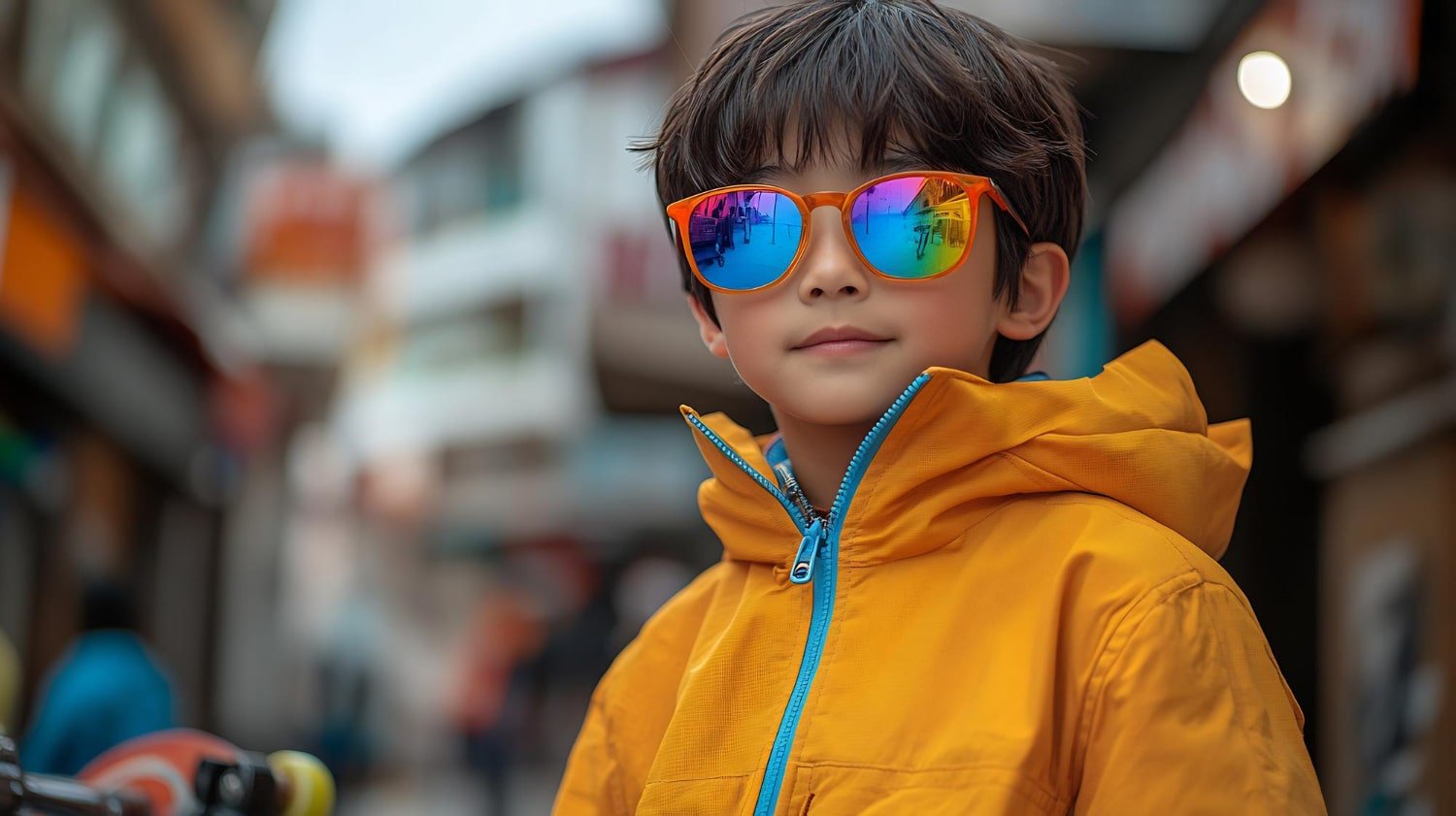
    Youth fashion is constantly evolving, blending elements of sport, streetwear, and futuristic style to create bold statements that reflect individuality. The image of a 10-year-old Asian boy in a sporty zip-up jacket and futuristic sunglasses, posing confidently beside his skateboard, is a powerful symbol of how fashion and lifestyle intersect for today’s younger generation.

    The sporty zip-up jacket embodies both practicality and style. Often associated with athletic culture, zip-up jackets offer comfort, durability, and a sleek silhouette. For young people, this type of clothing represents activity and energy—perfect for someone who lives an active lifestyle and enjoys outdoor hobbies like skateboarding. Beyond functionality, bold colors, unique patterns, and modern cuts give the jacket a fashionable edge, making it a versatile piece that works both on and off the skateboard.

    Equally striking are the futuristic sunglasses. Accessories like these instantly elevate a look, turning it from casual to iconic. Futuristic eyewear often features mirrored lenses, geometric shapes, or metallic frames, creating an impression of confidence and modernity. For young fashion enthusiasts, sunglasses like these serve as a playful yet stylish way to express individuality. They suggest forward-thinking and trendsetting—qualities admired in both youth fashion and street style culture.

    The skateboard completes the narrative, tying the look to lifestyle. Skateboarding has always been more than a sport; it’s a culture rooted in creativity, rebellion, and freedom. By combining sporty clothing, bold accessories, and the iconic skateboard, the boy projects an image of confidence, adventure, and personal identity. This highlights how today’s youth are blending fashion with their passions, making style an authentic reflection of their lives.

    The setting of the pose also matters. Standing beside his skateboard, the boy exudes confidence and control—qualities that resonate with modern streetwear photography. These visual elements communicate independence and self-assuredness, inspiring others to embrace their own creativity in fashion choices.

    In a broader sense, this look reflects global fashion trends. Youth fashion is moving toward hybrid styles that merge sportswear with futuristic design elements. It’s no longer about adhering to strict categories like athletic or casual; instead, it’s about creating a unique blend that tells a story. A sporty jacket, futuristic sunglasses, and a skateboard together form a narrative of energy, individuality, and ambition.

    For parents and young readers alike, this image serves as inspiration. It shows how kids can confidently explore their own style, mixing practicality with bold creativity. Fashion doesn’t have to wait until adulthood—it can start with choices that reflect personality, hobbies, and aspirations.

    Ultimately, this post celebrates the intersection of youth, style, and culture. It’s about a boy who isn’t just wearing clothes but is making a statement—one that reflects energy, confidence, and the bold spirit of the next generation.

  • Embracing Timeless Elegance with Modern Minimalist Fashion Styles

    Embracing Timeless Elegance with Modern Minimalist Fashion Styles

    Fashion often cycles through trends, but minimalist style continues to captivate with its timeless elegance and modern sensibility. Unlike loud patterns or fleeting fads, minimalism celebrates simplicity, structure, and functionality. This aesthetic prioritizes clean lines, neutral palettes, and versatile pieces that blend seamlessly into any wardrobe.

    Minimalist fashion isn’t about sacrificing personality. Instead, it highlights individuality through subtlety. A crisp white blouse paired with tailored trousers can speak volumes about confidence. Monochrome ensembles project sophistication, while structured silhouettes convey strength without overpowering. Accessories are kept intentional—sleek watches, minimalist jewelry, and functional bags enhance rather than overwhelm.

    Quality over quantity also defines the minimalist approach. Rather than chasing every new collection, enthusiasts invest in staple items: a perfectly fitted blazer, premium denim, or a classic trench coat. Each piece serves as a foundation for multiple outfits, creating versatility while reducing clutter.

    Minimalism further resonates with conscious consumers who prioritize sustainability. By purchasing fewer but better-made items, they reduce waste and support ethical fashion practices. Slow fashion movements align seamlessly with minimalist values, encouraging mindful choices and long-lasting style.

    For those starting their minimalist journey, begin by decluttering your wardrobe. Identify versatile pieces in neutral tones—black, white, beige, navy—that can be mixed and matched effortlessly. Add structured outerwear for layering and minimalist footwear like loafers, boots, or white sneakers.

    Ultimately, modern minimalist fashion isn’t about strict rules; it’s about balance. It gives wearers the freedom to express themselves through simplicity while maintaining elegance. This understated style proves that sometimes less truly is more.

  • Confident Individual Showcasing Shirt With Copy Space For Design

    Confident Individual Showcasing Shirt With Copy Space For Design

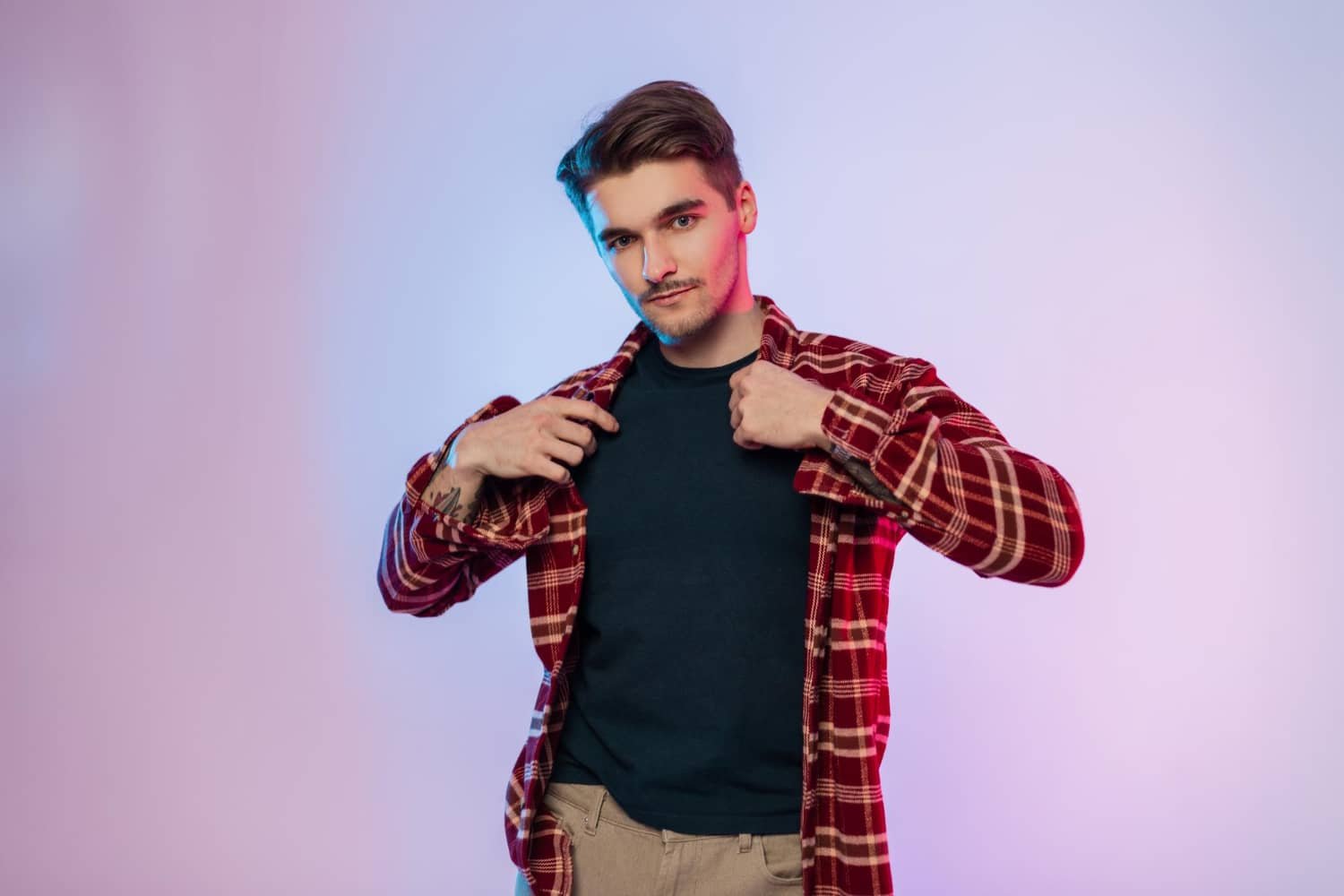
    Fashion today is not only about personal style but also about expression, identity, and creativity. The image of a person pointing proudly to their shirt, with open copy space, captures this spirit perfectly. It reflects both confidence and opportunity, where a simple piece of clothing becomes a blank canvas for ideas, messages, or branding.

    The act of pointing at the shirt conveys pride. It suggests the wearer values what the shirt represents, whether it’s a bold design, a logo, or even just the confidence of wearing something plain but powerful. This gesture transforms the shirt into more than just apparel—it becomes a statement piece. For brands and designers, this visual is particularly impactful, as it highlights how fashion is also a medium for communication.

    Copy space plays a central role here. A plain shirt with open space is essentially an invitation for creativity. Designers see it as an opportunity to add prints, graphics, or slogans. Marketers see it as a space to display branding, promotional messages, or campaigns. Even individuals can use this space as a reflection of their personality, customizing it with art, patches, or text that represents their identity.

    The confident posture of the individual adds another dimension. Confidence is one of the strongest accessories a person can wear. By pointing directly at the shirt, the subject communicates a sense of pride, encouraging viewers to pay attention not only to the clothing but also to the person wearing it. This combination of attitude and apparel embodies the modern fashion ethos: style is about how you wear something, not just what you wear.

    From a broader perspective, this concept ties into the rise of personalized fashion. More people are moving toward custom designs, where clothing represents personal values, humor, or artistic expression. The blank shirt symbolizes limitless possibilities—whether it’s turning into a trendy graphic tee, a campaign shirt, or a canvas for artistic experimentation.

    For photographers and brands, this type of imagery is particularly powerful in marketing. It communicates relatability, authenticity, and pride in a single frame. The person isn’t just wearing clothing—they are endorsing an idea, inviting the audience to imagine what could be placed there.

    Ultimately, the image of a person proudly pointing to their shirt with copy space reminds us that fashion is not passive. It’s active, personal, and creative. A shirt may be a basic garment, but in the hands of confident individuals and visionary designers, it becomes an opportunity for storytelling.